Romeo and Juliet rank among the world's most recognized tragic lovers, yet their story
raises an important question: what portions are grounded in historical fact, and what stems from imagination? This
exploration examines how the tale originated and introduces Juliet's House, the landmark that has become synonymous
with Verona's romance.
Tracing the Narrative's Roots
William Shakespeare documented the tragic romance of Romeo and Juliet in the late 16th century, yet the story's
origins extend further back. Italian author Luigi da Porto crafted an earlier version during the early 16th century,
drawing from works that appeared even earlier in the 15th century. Shakespeare's rendition distinguished itself
through its language and emotional resonance, elevating the narrative into a work that has endured for centuries.
Verona: A City Defined by Romance
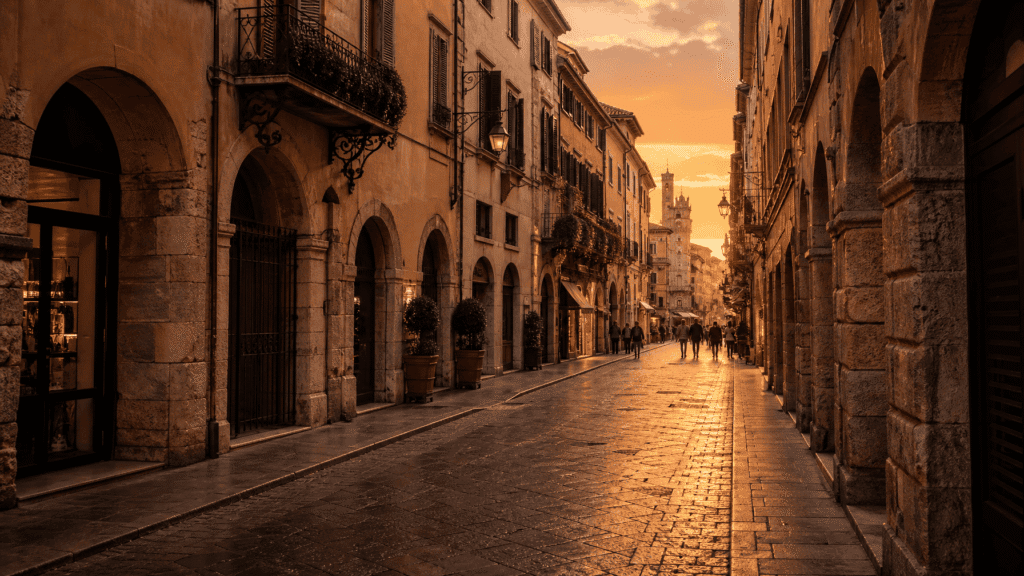
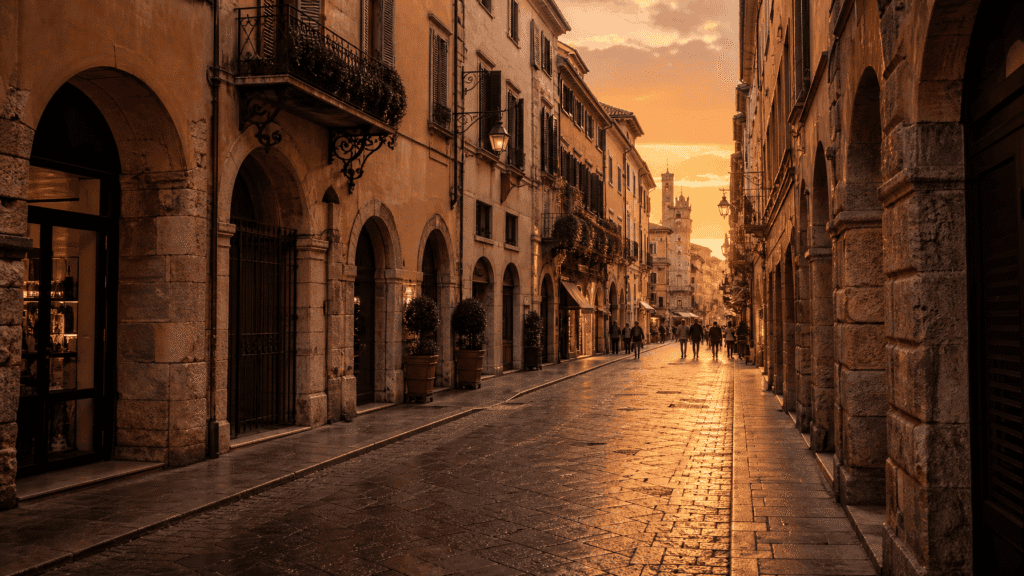
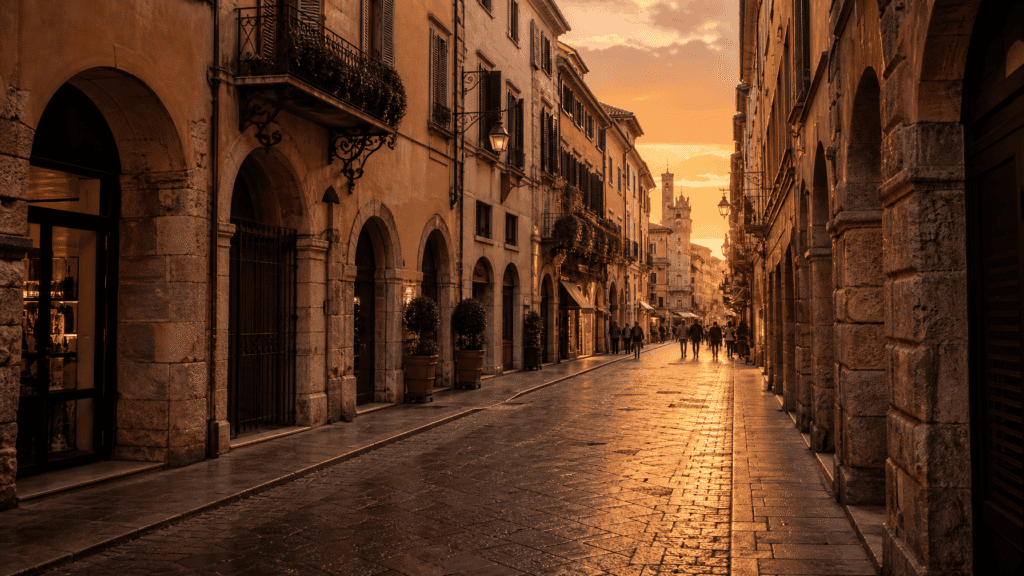
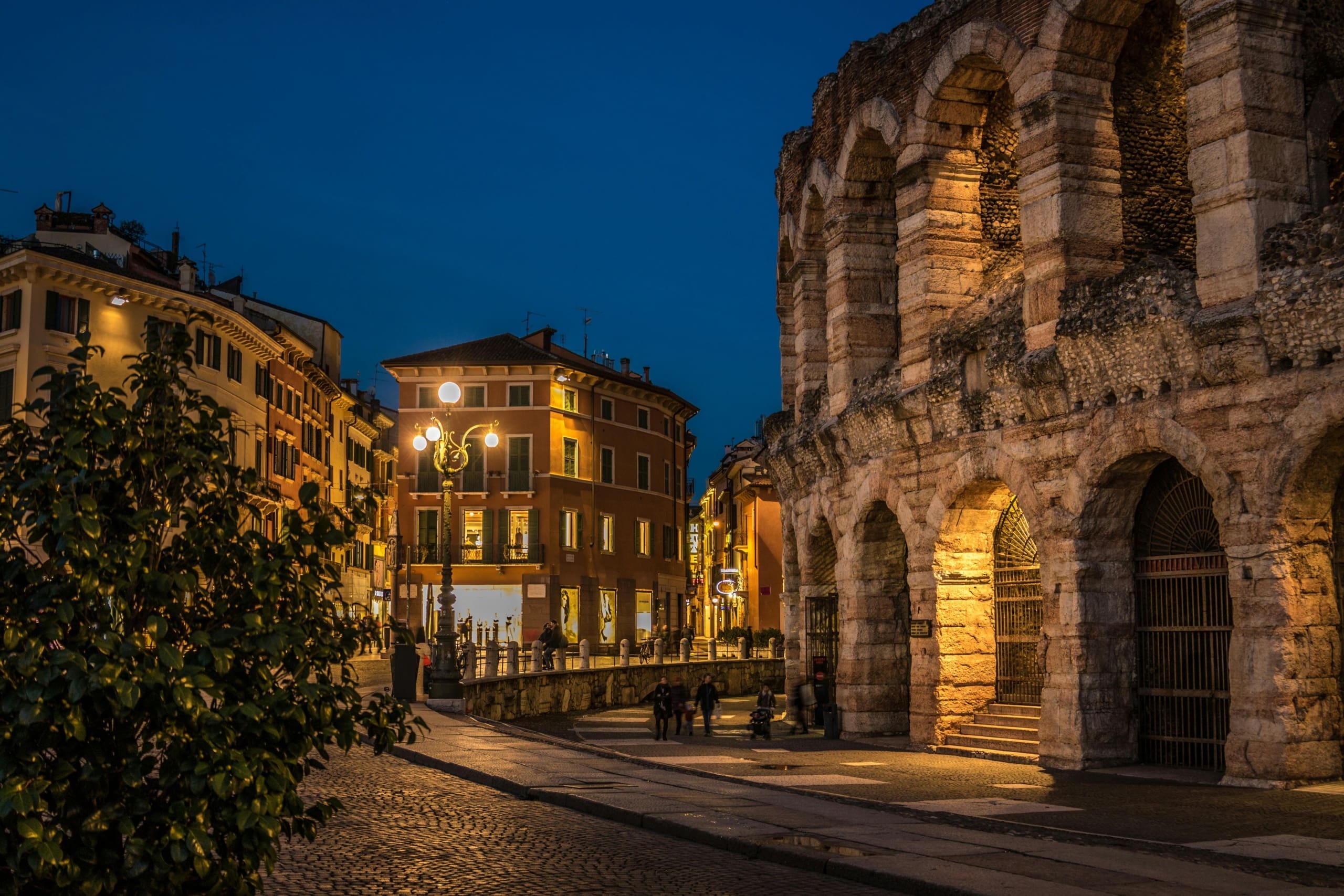
Verona, an Italian city rich in medieval character and historical significance, has become inseparable from the Romeo
and Juliet legend. The city's ancient alleyways, architectural landmarks, and particularly Juliet's House, continue to
attract visitors seeking connection to this celebrated story. The question of whether the real Juliet resided in
Verona lacks historical confirmation, yet the narrative has taken root, and Verona has adopted it as central to its
cultural identity.
Juliet's House: Between Reality and Legend
The structure known as "Casa di Giulietta" dates to the 13th century and was once owned by the Cappello family—a name
that echoes the fictional Capulet surname. During the 20th century, Verona undertook restoration efforts to align the
building's appearance with the scenes depicted in Shakespeare's work. The renowned balcony, incorporated during these
modernizations, has emerged as one of the world's most recognizable symbols of romantic devotion.
An Enduring Cultural Mark
The narrative of Romeo and Juliet transcends questions of historical authenticity, continuing to move audiences
worldwide. Through literature, performance, cinema, and personal gestures made at Juliet's House, the tale sustains
its power as an expression of intense love and unavoidable tragedy.
The story of Romeo and Juliet—whether rooted in fact or born from imagination—has become woven into Verona's identity
and cultural consciousness. Visitors arrive to connect with the narrative, explore the city's medieval landscape, and
encounter a story that has shaped how the world understands love.