Author: Adam

  • History of Juliet’s House in Verona | Casa di Giulietta

    History of Juliet’s House in Verona | Casa di Giulietta

    Romeo and Juliet rank among the world’s most recognized tragic lovers, yet their story
    raises an important question: what portions are grounded in historical fact, and what stems from imagination? This
    exploration examines how the tale originated and introduces Juliet’s House, the landmark that has become synonymous
    with Verona’s romance.

    Tracing the Narrative’s Roots

    William Shakespeare documented the tragic romance of Romeo and Juliet in the late 16th century, yet the story’s
    origins extend further back. Italian author Luigi da Porto crafted an earlier version during the early 16th century,
    drawing from works that appeared even earlier in the 15th century. Shakespeare’s rendition distinguished itself
    through its language and emotional resonance, elevating the narrative into a work that has endured for centuries.

    Verona: A City Defined by Romance

    Verona, an Italian city rich in medieval character and historical significance, has become inseparable from the Romeo
    and Juliet legend. The city’s ancient alleyways, architectural landmarks, and particularly Juliet’s House, continue to
    attract visitors seeking connection to this celebrated story. The question of whether the real Juliet resided in
    Verona lacks historical confirmation, yet the narrative has taken root, and Verona has adopted it as central to its
    cultural identity.

    Juliet’s House: Between Reality and Legend

    The structure known as “Casa di Giulietta” dates to the 13th century and was once owned by the Cappello family—a name
    that echoes the fictional Capulet surname. During the 20th century, Verona undertook restoration efforts to align the
    building’s appearance with the scenes depicted in Shakespeare’s work. The renowned balcony, incorporated during these
    modernizations, has emerged as one of the world’s most recognizable symbols of romantic devotion.

    An Enduring Cultural Mark

    The narrative of Romeo and Juliet transcends questions of historical authenticity, continuing to move audiences
    worldwide. Through literature, performance, cinema, and personal gestures made at Juliet’s House, the tale sustains
    its power as an expression of intense love and unavoidable tragedy.
    The story of Romeo and Juliet—whether rooted in fact or born from imagination—has become woven into Verona’s identity
    and cultural consciousness. Visitors arrive to connect with the narrative, explore the city’s medieval landscape, and
    encounter a story that has shaped how the world understands love.

  • Top 5 Things to See at Juliet’s House Verona | Tickets Online

    Top 5 Things to See at Juliet’s House Verona | Tickets Online

    Casa di Giulietta, known in English as Juliet’s House, is one of Verona’s most visited
    destinations, drawing thousands of visitors year after year. Whether you’re a literature lover, a romantic at heart,
    or just curious about the legend, this landmark offers a wonderful window into the world of Romeo and Juliet. Here are
    five things you absolutely shouldn’t miss when you visit.

    1. The Iconic Balcony

    You can’t come here without seeing the famous balcony. Yes, it was added during 20th-century renovations, but it’s the
    perfect embodiment of the romantic scene from Shakespeare’s play—the moment Romeo declares his love. It’s where
    everyone stops for that unforgettable photo, and honestly, the view of the courtyard below is lovely.

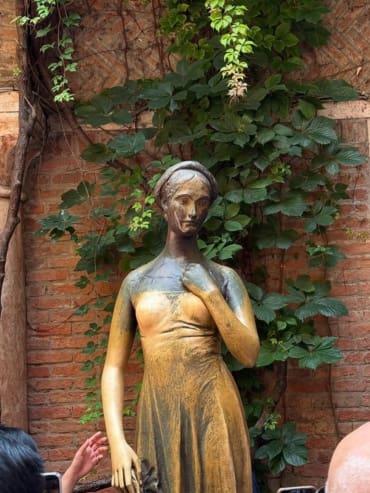
    2. Juliet’s Bronze Statue

    In the courtyard, you’ll encounter a bronze sculpture of Juliet, a timeless symbol of love and devotion. There’s a
    charming tradition: touching her right breast is said to bring good fortune in matters of the heart. You’ll see plenty
    of visitors pausing here to make their wish.

    3. The Love Messages Wall

    One of the most moving things about visiting is seeing the love letters and notes people have left on the walls.
    Visitors from all over the world write messages of love, longing, and hope. It’s genuinely touching—a colorful,
    heartfelt testament to how much this story still means to people everywhere.

    4. Inside the Medieval House

    Step inside and explore the beautifully preserved rooms filled with period furnishings, Renaissance artwork, and
    exhibits that tell the story’s history. You can even see the actual bed used in Franco Zeffirelli’s 1968 film version
    of Romeo and Juliet.

    5. The Gift Shop

    Before you leave, browse the gift shop for special souvenirs connected to the Romeo and Juliet story. Whether you’re
    looking for something romantic to remember your visit or a meaningful keepsake, you’ll find something to take home.
    A visit to Juliet’s House works whether you’re here for the romance, the history, or the literary connection—it’s an
    experience that brings the legend to life.

  • Love Letters to Juliet at Casa di Giulietta | Verona Tradition

    Love Letters to Juliet at Casa di Giulietta | Verona Tradition

    Each year, visitors from every corner of the world come to Verona to celebrate the legendary
    love story of Romeo and Juliet. Among the most heartwarming traditions connected to Juliet’s House is the practice of
    writing and leaving love letters. It’s a beautiful custom that has come to represent hope, romance, and enduring
    love.

    How It All Started

    The tradition goes back several decades, starting quite organically when visitors began leaving notes at the
    house—some asking for advice, others simply sharing their feelings. What began as a spontaneous gesture has grown into
    a cherished custom that now attracts lovers, dreamers, and hopeless romantics from all over.

    Meet the Secretaries of Juliet

    Here’s something really special: there’s actually a group of volunteers called the “Secretaries of Juliet” who read
    and respond to the thousands of letters received each year. These compassionate individuals offer heartfelt advice,
    encouragement, and support to those reaching out about matters of the heart. It’s a wonderful reflection of the
    compassion and romance Verona is known for.

    Want to Leave Your Own Letter?

    There are several ways to participate in this tradition. You can stick your letter directly onto the famous Love
    Letters Wall, adding your message to the collection of colorful declarations. If you prefer, there’s a special mailbox
    where you can drop your letter to be delivered to the Secretaries of Juliet. And in today’s world, you can even send
    your message by email, keeping the tradition alive in modern ways.

    Letters That Have Touched Hearts

    Over the years, some letters left here have become known for their genuine emotion and depth. Love confessions,
    requests for relationship advice, stories of heartbreak and hope—they all show us that love is truly universal. Some
    of these letters have even been published in books and inspired films, making the tradition even more meaningful.

    Why This Tradition Matters

    In our busy, often disconnected world, writing to Juliet gives people a chance to pause and reflect. It reminds us
    that love crosses all boundaries—time, distance, culture, everything. Whether you’re seeking guidance, celebrating
    love, or working through heartbreak, leaving your letter at Juliet’s House is a way of connecting with something
    timeless.
    If you’re visiting Verona, taking part in this tradition is a beautiful way to honor the legend and leave a piece of
    your own heart in the city of romance.

  • Juliet’s House Verona Hours, Tickets & Visit Guide

    Juliet’s House Verona Hours, Tickets & Visit Guide

    For many Shakespeare fans, visiting Juliet’s House in Verona is a dream come true. To get
    the most out of your experience, a little planning goes a long way. Here’s what you need to know before you
    arrive.

    Getting Your Tickets

    Here’s an important heads-up: tickets are only available online—there’s no ticket office at the
    door. We strongly recommend booking ahead to secure your preferred time and avoid the disappointment of sold-out
    slots. Plus, buying online means skipping the queues and getting right into the magic.

    When’s the Best Time to Go?

    If you want to beat the crowds, try arriving early in the morning or later in the afternoon. Weekdays are generally
    quieter than weekends, and visiting during autumn or early spring gives you a much more peaceful, intimate experience
    away from peak season rush.

    The Highlights You Can’t Miss

    Make sure to spend time with these key attractions:

    • Juliet’s Balcony: The iconic spot where the magic of Romeo and Juliet comes alive.

    • The Statue of Juliet: Tradition says touching her statue brings good luck in love.

    • The Love Letters Wall: Thousands of heartfelt messages from visitors worldwide.

    • The Historic Rooms: Beautiful period furnishings and exhibits that tell the legend’s story.

    Photography Advice

    Getting that perfect photo can be tricky with all the visitors around. Your best bet is arriving early or being
    patient for a clear shot. Try different angles to capture both the charming courtyard and the balcony—you’ll be amazed
    at what you can get.

    Explore the Rest of Verona

    After Juliet’s House, don’t miss the wonderful sights nearby:

    • Piazza delle Erbe: A lively historic square brimming with character.

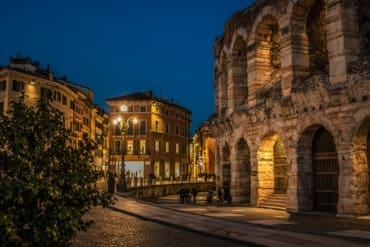
    • Verona Arena: A stunning Roman amphitheater that’s beautifully preserved.

    • Juliet’s Tomb: Another legendary site connected to the Shakespeare story.

    The Details You’ll Need

    • Address: Via Cappello, 23, 37121 Verona VR, Italy

    • Hours: Generally 9 AM to 7 PM, though seasons can affect this—check the official website to be
      sure.

    • Accessibility: The site is accessible, though some areas have limited mobility options.

    With a little planning, you’ll have a wonderful visit that captures the romance and history of Juliet’s House and
    makes your time in Verona truly special.